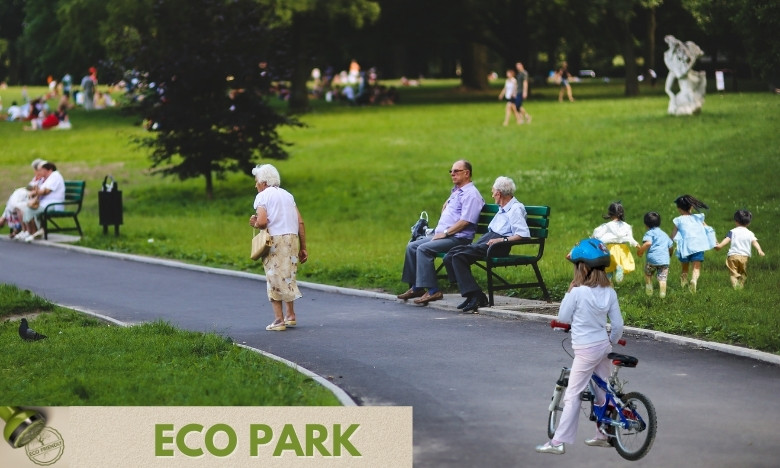
Urbanization has changed cities into concrete jungles, which have led to increased heat levels, pollution, and stress. The world is looking for healthier and more sustainable outdoor environments as populations grow and green spaces decrease. Eco parks are the ones to solve this problem. These new green spaces not only provide leisure, but also enable ecological restoration, sustainability, biodiversity growth, and public education.
An eco park is a carefully planned area that conserves natural resources, educates the public, supports the wildlife, and reconnects people with nature. It minimizes the impact of human activities by energy-efficient design, the use of native plant species, restored wetlands, and natural habitats for birds, insects, and other wildlife. Eco parks care about human health as well; they provide nature trails, cycling paths, meditation zones, and outdoor recreation activities which invigorate people and encourage them to go out and breathe fresh air.
What Are Eco Park?
Eco parks are recreational areas that have been environmentally designed to conserve biodiversity, reduce ecological footprints, and promote sustainability. They combine natural landscapes, renewable energy, wildlife habitats, and eco-friendly infrastructure. The core of their ecosystem is made up of native plants, water bodies, wetlands, and forest patches. Without using synthetic chemicals, decorative lawns, or heavy irrigation, eco parks cooperate with nature. They do so by improving soil quality, attracting pollinators, supporting natural seed dispersal, and restoring local ecosystems. Their primary goal is to provide both environmental protection and public recreation without the exploitation of natural resources.
Eco Parks vs. Traditional Parks
Eco parks stand apart by blending recreation with ecological responsibility. They create healthier environments for humans and wildlife, while traditional parks mainly serve social leisure with decorative landscaping.
| Factor | Eco Parks | Traditional Parks |
| Primary Focus | Conservation & sustainability | Recreation & landscaping |
| Landscaping | Native plants, wetlands, forests | Lawns & ornamental plants |
| Biodiversity | High species diversity | Limited biodiversity |
| Energy & Water Use | Low resource, renewable systems | High resource consumption |
| Public Education | Workshops & ecological learning | Minimal educational focus |
Ecological Conservation Role

Eco parks play a pivotal role in protecting and restoring natural habitats. By preserving green spaces, they protect native animal species and support ecological balance. Their landscapes serve as safe zones for butterflies, bees, birds, reptiles, and small mammals.
Eco parks restore landscapes that have been damaged by construction, mining, or urban expansion. They also support pollinator networks and help prevent soil degradation.
Key conservation efforts include:
- Native vegetation restoration that supports local insects and animals
- Waterbody rejuvenation through ponds, lakes, and wetlands
- Seed dispersal support by planting natural forest zones
These ecological actions help ecosystems heal and strengthen their resilience against climate change.
Sustainable Design Features
Sustainability is the foundation of every eco park. Design strategies reduce carbon emissions, limit waste, and protect natural resources.
Five key sustainable features include:
- Native Landscaping: Local plant species reduce irrigation needs, pesticides, and fertilizer usage.
- Rainwater Harvesting: Natural catchments, ponds, and storage tanks collect water for reuse and groundwater recharge.
- Solar Power: Lighting, signboards, and security systems often run on renewable solar energy.
- Recycled Materials: Benches, sculptures, pathways, and structures are built using reclaimed wood, metal, and plastic.
- Zero-Waste Facilities: Segregated bins, biocomposting, and recycling stations minimize landfill waste.
These features ensure that eco parks stay functional, beautiful, and environmentally efficient for decades with minimal maintenance.
Wildlife Habitat Support
Eco parks create thriving living spaces for native wildlife, allowing animal populations to survive and regenerate. Many include butterfly gardens, bird zones, water bodies, pollinator pathways, and natural forest patches. These areas act as breeding grounds, food sources, and safe shelters.
Ecological corridors within parks also help wildlife move safely between habitats. Zones dedicated to birds and butterflies not only support biodiversity growth but offer visitors meaningful nature interactions.
Promoting Human Well-Being
Eco parks enhance mental and physical health by offering clean air, green landscapes, and peaceful surroundings. Walking, jogging, and cycling boost physical fitness, while calming natural environments help reduce stress, anxiety, and fatigue.
Activities like yoga, meditation, nature photography, and birdwatching deepen personal mindfulness and bring emotional balance. For city dwellers, eco parks serve as rare sanctuaries for relaxation and mental clarity.
Environmental Education and Awareness
Eco parks serve as open-air classrooms for children, students, and community groups. Schools conduct workshops, guided nature walks, and biodiversity surveys within these spaces. Interactive programs encourage young people to understand environmental issues and take action.
Educational initiatives often include:
- Waste segregation programs
- Tree plantation drives
- Nature exhibitions and awareness camps
These learning experiences shape future generations to adopt sustainable practices.
Encouraging Sustainable Behaviors
Many eco parks inspire positive eco-friendly habits by banning plastics, promoting recycling, and hosting green community events. Visitors experience firsthand how sustainable living benefits both people and the planet. Demonstration zones teach composting, water conservation, and urban gardening. Over time, these lessons extend into daily home routines.
| Eco Park / Destination | State | Entry Fee (Approx.) | General Timings |
| Jim Corbett National Park | Uttarakhand | INR 3495 permit per Indian (full jeep cost around INR 7500 including guide/vehicle) | Open 24 hrs; safaris ~6:00 AM–10:00 AM & 1:30 PM–5:30 PM (seasonal variation) |
| Kaziranga National Park | Assam | INR 100 for Indians, INR 650 for foreigners (safari cost separate) | ~7:00 AM–5:00 PM; closed May–Oct during monsoon |
| Ranthambore National Park | Rajasthan | ~INR 1300–1900 per Indian for canter/jeep safari | Safaris usually ~6:00 AM–10:00 AM & 2:00 PM–6:00 PM (seasonal variation) |
| Periyar National Park | Kerala | INR 45 Indian adults, INR 500 foreign adults (extra activity fees) | ~6:00 AM–7:00 PM; guided slots vary |
| Thenmala Eco Tourism | Kerala | ~INR 100 general entry (additional activity charges apply) | ~8:00 AM–5:00 PM |
| Eco Park | Location | Approx. Entry Fee (Adult) | Operating Hours |
| Xcaret Park | Playa del Carmen, Mexico | From ~$130 USD | 8:30 a.m. – 10:00 p.m. daily |
| Kruger National Park | South Africa | R602 (international); R134 (citizens) | Varies by season (sunrise to sunset) |
| Komodo National Park | Indonesia | ~IDR 151,968 (~$10 USD) | 7:00 a.m. – 5:00 p.m. daily |
| Serengeti National Park | Tanzania | ~$60–70 USD per day | 6:00 a.m. – 6:00 p.m. daily |
| Eco Park, New Town | Kolkata, India | ₹30 per person | 11:00 a.m. – 7:30 p.m. (Tue–Sun); Closed Mon |
Popular Activities for Connection
Eco parks offer activities that allow people to connect deeply with nature. These include:
- Nature trails
- Camping zones
- Boating areas
- Birdwatching towers
- Butterfly gardens
- Picnic landscapes
- Cycling tracks
Such activities nurture emotional bonds with the environment, turning recreational visits into learning and healing experiences.
Ecosystem Restoration Services
Eco parks play a major role in restoring damaged ecosystems. They absorb carbon dioxide, improve air quality, recharge groundwater, and reduce soil erosion. Trees and wetland plants store significant carbon, helping combat climate change.
Bioengineering techniques like contouring, coir mats, native plantations, and water retention systems rebuild landscapes and protect riverbanks, lakes, and forest edges.
Challenges and Future Outlook
Eco parks face challenges like invasive species, urban encroachment, climate extremes, and funding limitations. However, the future looks promising—many cities aim to develop green corridors connecting multiple eco parks to create wildlife movement routes and urban cooling belts. With growing environmental awareness, eco parks are likely to expand in number and impact.
Conclusion
Eco parks are more than green recreational zones—they are living models of sustainability and conservation. They support wildlife, protect ecosystems, educate communities, and strengthen emotional well-being. As environmental challenges rise, eco parks will play a key role in shaping greener, healthier, and more responsible cities. Every visit to an eco park is not just leisure—it is a reminder to care for the Earth and advocate for urban green spaces.
FAQs
Eco parks protect natural ecosystems, support wildlife, and promote sustainable recreation and education.
Traditional parks focus on recreation, while eco parks focus on conservation and biodiversity.
Yes, eco parks reduce stress, improve air quality, and offer exercise and relaxation spaces.
Common activities include cycling, boating, nature walks, camping, and birdwatching.
They reduce heat, clean the air, restore ecosystems, and improve quality of life.